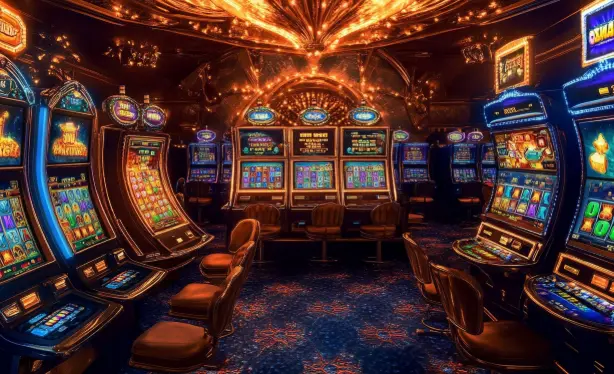
High Limit Slot Area Quiet Zone: Engineering Silence Into the Floor
Noise floor variance kills high-limit play faster than a tight paytable ever will. The High Limit Slot Area Quiet Zone exists because whales do not tolerate the acoustic chaos of a penny carousel bleeding into their session — and the operators who understand this engineer the separation at the substrate level, not with a velvet rope and a hopeful sign.
Walk any premium floor and you will feel it immediately: the transition from general gaming chaos to the high limit slot room rooms is a hard cut, not a fade. That cut is deliberate. Slot machine speakers run hot, often 75 to 85 dB at the cabinet face, and low-frequency spill from adjacent banks travels through the slab like a drum. A genuine quiet zone demands physical mass between the sound source and the player's ear — double-layer drywall, acoustic caulk at every seam, and isolation pads under the machine bases that decouple vibration from the structural deck.
Cabinet-Level Acoustics and the Speaker Enclosure Problem
Here is where the hardware insiders get it wrong. They spend six figures on room treatment and leave the cabinet speakers firing straight into the aisle. Premium high limit slot room rooms should specify directional speaker arrays with tight dispersion cones — 60 degrees or narrower — aimed down at the seated player's torso, not outward at 90 degrees into open air. Every degree of spill you eliminate at the source is a decibel you never have to absorb downstream. 😤

The quiet zone also lives or dies on HVAC design. Air handling in a high limit slot area is typically oversized and under-baffled, and the resulting broadband hiss masks the subtle audio cues players use to track reel stops. We are talking about a target background level of 42 to 48 dBA in the seated position — quieter than a library reading room, loud enough to prevent the eerie dead-air feel that spooks superstitious players. Duct liners, plenum silencers, and variable-speed drives running at 40 percent capacity get you there.
Why Segregated High Limit Slot Room Rooms Beat Open Podiums
Open-air high limit podiums are a cost-engineering fantasy. Without full-height partitions or dedicated vestibules, you inherit every footfall, every cocktail tray rattle, and every jackpot siren from the main floor. Dedicated rooms give you a controllable acoustic envelope, a single entry point for host oversight, and the psychological separation that justifies the minimum bet. The math is brutal: a player at three hundred a spin generates roughly eleven hundred dollars an hour in theoretical win, and one interrupted session costs more than a year of door hardware. 😤
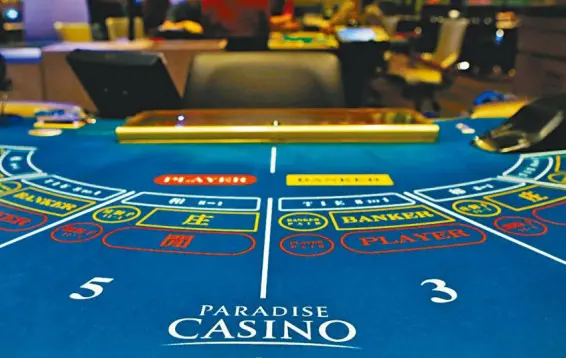
Do not overlook the door itself. Solid-core slab doors with automatic drop seals and perimeter gasketing deliver an easy 30 dB of transmission loss. Pair that with a vestibule air lock and you have severed the acoustic bridge completely. The High Limit Slot Room Rooms that command the highest player ratings all share this trait: you cannot hear the casino from inside, and you cannot hear the room from the corridor.
Monitoring, Lighting Buzz, and the Last Decibel
The quiet zone fails at the margins. LED drivers hum at 120 Hz, dimmer circuits buzz, and slot toppers vibrate against their mounts. Audit every fixture with a spectrum analyzer and replace cheap drivers with constant-current units rated below 20 dBA at one meter. Floor supervisors should carry calibrated sound meters and log readings at player height every shift — a quiet zone is a maintenance discipline, not a construction milestone. 🎯
Final hard number to hold your integrator to: no more than 3 dB variance across the seated ear positions of every cabinet in the room, measured at full bank load. Miss that window and the isolation was cosmetic. The players who wager four figures a pull can hear the difference between engineered silence and a sign that says quiet.