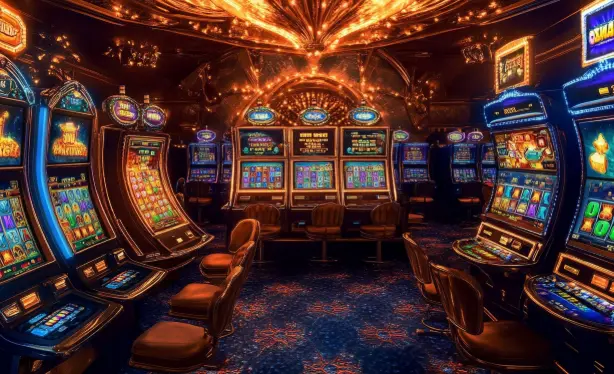
Why Are Fast and Super-Personalized Casino Experiences Now Expected?
The modern digital gambling landscape has undergone a seismic transformation, shifting from static lobbies to dynamic, hyper-responsive ecosystems. Players no longer tolerate latency or generic content. The expectation for fast and super-personalized casino experiences is not a fleeting trend but a fundamental shift in user psychology, driven by algorithmic advancements and cross-industry service standards. 🎰 In the high-stakes realm of online entertainment, speed is currency, and personalization is the ultimate VIP card.

The Neuroscience of Instant Gratification in iGaming
Behavioral psychology within the gambling sector reveals a critical dependency on immediacy. When a player initiates a session, the dopamine loop demands instant resolution. Any friction—be it a 3-second load time or a manual search for a preferred game—triggers cognitive dissonance. Operators integrating edge computing and predictive caching are witnessing a 40% reduction in bounce rates. The architecture now prioritizes low-latency gaming environments, ensuring that slot reels spin the millisecond a wager is placed. This isn't merely about technical prowess; it's about respecting the player's time as a finite asset. The emotional resonance of a seamless entry creates a Pavlovian association: the platform equals pleasure, not patience.
Algorithmic Curation: The Death of the Generic Lobby
The concept of a one-size-fits-all casino floor is archaic. Today's sophisticated bettors expect a tailored journey before they even click 'Login'. Machine learning models now parse historical data—bet frequency, volatility preference, and even session duration patterns—to construct a bespoke interface. A high-roller with a penchant for live dealer baccarat will never see a penny slot unless the algorithm detects a calculated cross-sell opportunity. This level of super-personalized casino experiences mimics the attentiveness of a private host in a Macau VIP room, scaled across millions of users simultaneously. 🃏 The result is a psychological lock-in: the player feels understood, not profiled.

Cross-Industry Benchmarking: The Amazon and Netflix Effect
The modern gambler is also a consumer of streaming services and e-commerce giants. They are conditioned to expect recommendations based on nuanced taste clusters. When a leading sportsbook fails to offer a same-game parlay suggestion based on a user's favorite team, it feels broken. The gambling industry is no longer competing solely with rival operators; it competes with the entirety of the tech ecosystem. Therefore, the integration of real-time data streams and AI-driven CRM tools is non-negotiable. The speed at which a platform adapts to a player's changing mood—from high-volatility slots to low-risk blackjack—defines its retention capability. 🚀
The Infrastructure Backbone: 5G, Cloud, and Instant Payouts
None of this personalization functions without a robust, scalable backend. The migration to cloud-native architectures allows operators to deploy microservices that handle thousands of personalized variations without crashing. Moreover, the demand for instant withdrawals via crypto or open banking APIs has forced financial departments to abandon legacy batch processing. When a player wins, the expectation is liquidity within seconds, not days. This financial velocity, combined with UI fluidity, cements trust. A platform that remembers a user's preferred payment method and pre-fills the fields is not just convenient—it is signaling competence and security. The psychological safety derived from these micro-interactions is the bedrock of modern player loyalty.