The Charleston Casino Cruise Ship Gambling Boat Loophole
The Charleston Casino Cruise Ship operation is not a floating casino in the legal sense, and that distinction is the entire ballgame. South Carolina's constitution bans games of chance with real teeth, so any vessel running table games out of Charleston harbor has to engineer a jurisdictional escape hatch before the first hand is dealt. The mechanism is simple but ruthlessly enforced: the boat must be outside state territorial waters, typically the three-mile line, before cards hit felt or dice leave the cup. Inside that line, the floor is legally dead. Outside it, federal maritime jurisdiction takes over and the state's gambling statute loses its grip. That is the hardware layer everyone in this racket builds on, and if you get it wrong, you are not running a cruise, you are running evidence. 🎲
The Three-Mile Trigger and Why Timing Is Everything
Every South Carolina Gambling Boat itinerary lives or dies on the crossing clock. The vessel departs, the passengers eat, the band plays, and nothing resembling wagering can legally open until the captain confirms the GPS boundary is cleared. Audit this hard: the gaming floor management system should be interlocked with the navigation feed, not left to a human call on a radio. In properly built operations, the slot server and table management terminals stay in a locked state until the geofence flag flips, and they lock again on the return leg the moment the boat re-enters state waters. Any operator who lets a dealer shuffle early is exposing the entire license to a shutdown order and a criminal referral. The margin on a two-hour offshore window is thin enough without gambling on a boundary error. ⚓

Slot Server Architecture on a Moving Platform
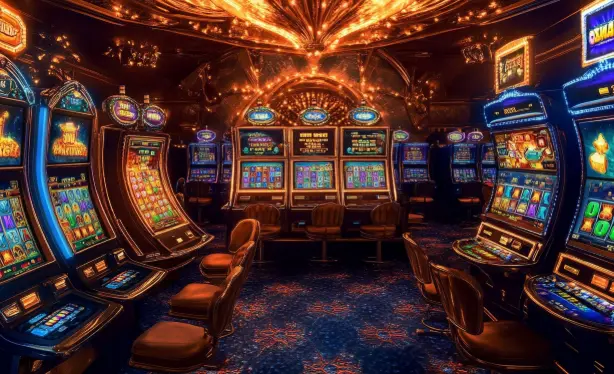
Here is where the hardware crowd separates the professionals from the tourists. A casino floor on open water has no fixed network backbone, no stable power grid assumption, and no tolerance for a mid-spin crash. The slot cabinets on these vessels typically run local RNG modules with a hardened audit log, syncing to the shipboard server in batches rather than streaming every event to a shore-side data center over a satellite link that drops in weather. That architecture matters because a dropped packet during a jackpot event is a dispute, and a dispute on a boat three miles out is a public relations bomb. Look for tamper-evident meters, dual redundant power feeds, and a payout verification path that does not depend on a live uplink. The RNG certification has to be independent and current, or the whole floor is legally radioactive regardless of how far offshore you drift. 🛠️
Table Game Integrity and the Dealer Audit Trail
Table games on a Charleston Casino Cruise Ship carry a different risk profile than slots because human hands touch every card. The audit standard here is brutal: card shoes with electronic tracking, pit boss logs timestamped to the second, and a drop box procedure that survives a Coast Guard inspection without a single missing chip denomination. The real vulnerability is not the game math, it is the reconciliation gap between the cage and the pit when the vessel is rocking and the shift changes mid-crossing. Sharp operators run a closed-loop chip inventory with RFID or at minimum a color-coded denomination lock, so a stray hundred cannot walk off the floor and into a passenger's pocket. If the cage count does not match the pit report to the chip, you have a control failure, not a rounding error.

Weather, Manifests, and the Compliance Layer Nobody Audits
The unglamorous truth about a South Carolina Gambling Boat is that the compliance stack is heavier than the gaming stack. Passenger manifests, Coast Guard certification, crew gaming licenses, and the offshore verification log all have to align on the same timeline. A manifest that does not match the headcount at the gaming floor entry is a red flag an inspector will pull on immediately. Weather routing compounds it: a shortened offshore window means the gaming floor opens late and closes early, and the revenue model has to absorb that variance without cutting corners on the boundary protocol. The operators who survive are the ones who treat the geofence, the RNG audit, and the manifest reconciliation as one integrated system rather than three separate chores. Everything else is a story you tell a lawyer after the boat gets boarded.